
Whispering Oaks Drive Residents Fight for Mail Delivery Rights in a Changing USPS Landscape

Updated: Mar 11

For the residents of Whispering Oaks Drive in Cheshire, the promise of "Universal Service" from the United States Postal Service has become a frustrating contradiction. As of early 2026, some neighbors have endured nearly 18 months without home mail delivery. Despite paying tens of thousands of dollars in property taxes, they must travel to the local post office to pick up essential items like life-saving medications and overdue bills. Some bills have even gone to collections due to these delays. This situation is more than a local inconvenience; it reveals the challenges facing the modern USPS and the limits of local influence over postal operations.

The Conflict Between Curbside Delivery and Cluster Boxes
The core of the dispute lies in the USPS’s refusal to provide traditional curbside mail delivery on Whispering Oaks Drive. The Postal Service classifies the neighborhood as a "condo-style" development, requiring a centralized cluster mailbox at the street entrance instead of individual home delivery. Residents and town officials argue that the street was designed for individual service and blame a developer’s oversight for the confusion. The USPS, however, refuses to make exceptions or "grandfather" in the existing design.
This conflict highlights a classic bureaucratic challenge. In the past, a phone call from a town manager or a Congressional representative might have resolved such issues quickly. Today, the USPS operates under a different set of rules that limit local and political influence.
How USPS’s Changing Role Affects Local Communities
The USPS has undergone significant changes since 1970, culminating in the current "Delivering for America" (DFA) plan. Initially launched by Louis DeJoy and continued by current leadership, this plan emphasizes a "business-first" approach. The goal is to save an estimated $30 billion over a decade by standardizing operations and reducing costs.
One major change is the USPS’s political insulation. It is no longer a government department but an independent entity. This means local governments like the Cheshire Town Council and even Connecticut’s federal representatives have no direct authority over postal operations. They can advocate and request changes but cannot order carriers to deliver mail differently.
This shift has left residents of Whispering Oaks Drive caught in a system that prioritizes efficiency and cost savings over individual service needs.
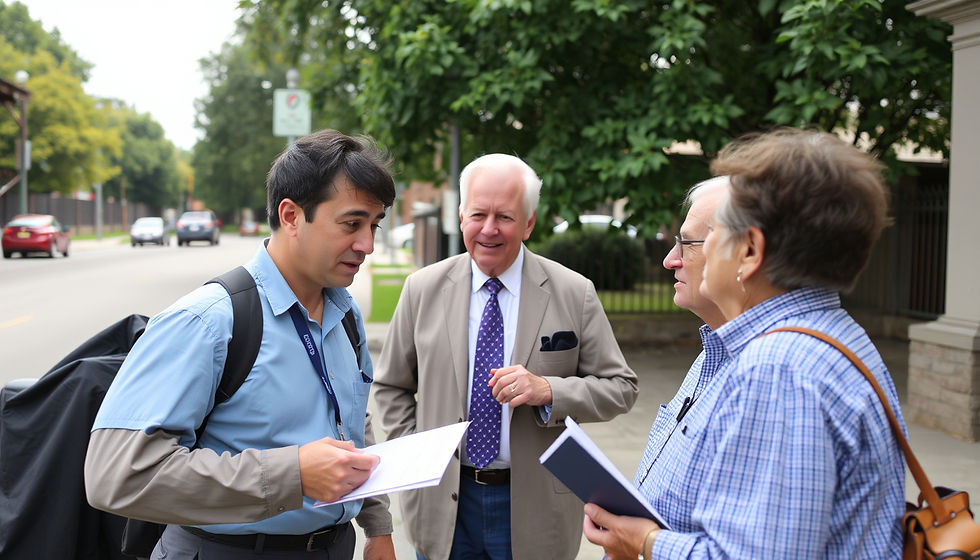
The Impact on Residents’ Daily Lives
The lack of home delivery has real consequences for Whispering Oaks residents. Many rely on timely mail for critical needs:
Life-saving medications that require prompt delivery
Bills and financial statements that, when delayed, lead to late fees or collections
Important correspondence that affects personal and professional matters
Residents report spending hours each week traveling to the post office, a burden that disproportionately affects seniors, people with disabilities, and those without reliable transportation.
The frustration grows as residents continue to pay high property taxes expecting full municipal services, including reliable mail delivery.
What Can Be Done Moving Forward?
The Whispering Oaks situation is a clear example of the challenges communities face as the USPS evolves. While the agency’s business-first approach aims to ensure long-term sustainability, it also creates tension with local expectations.
Possible steps to address these issues include:
Community advocacy: Residents can organize and petition USPS leadership to reconsider delivery policies for neighborhoods like Whispering Oaks.
Local government engagement: Town officials can continue to engage with postal representatives and federal lawmakers to seek solutions.
Policy review: USPS could explore more flexible delivery options that balance cost savings with community needs.
Public awareness: Sharing stories like Whispering Oaks helps highlight the human impact of postal policy changes and may inspire broader reforms.

The case of Whispering Oaks Drive shows that while the USPS has insulated itself from local political pressure, the consequences of its policies are deeply felt at the neighborhood level. Residents deserve mail delivery that meets their needs, not just a one-size-fits-all solution. The ongoing struggle here serves as a reminder that public services must balance efficiency with accessibility and fairness.


Comments