Efficiency vs. Personal Independence :
- Richard Smith
- Feb 1
- 4 min read

The Human Cost Of AI In 2035

To begin with, we must acknowledge that the anxieties depicted in Orwell's 1984 and Megalopolis have already become a reality in our society. The next significant concern will be the "Feed Me" Seymour scenario, as AI's desire for knowledge and information surpasses the capabilities of its human overseers. Will Seed AI or Artificial Metacognition consume information and energy at such a rapid pace that it eventually decides to operate independently?
One thing I've realized about humans is that once we acquire knowledge, we are reluctant to forget it. Buggy whips stood no chance against the Model A, and we will never forget how to construct nuclear bombs. The only solution is to prepare for it at every level and consider all possible future scenarios.

To comprehend Cheshire in 2035, it's essential to move beyond the emotive terms like "freedom" or "loss." Clinically speaking, we are observing the transformation of a suburban township into a highly efficient algorithmic hub. For residents in their 60s and 70s, this transition signifies a fundamental alteration in the biological and economic demands of everyday life.
The following is an objective breakdown of how these systems will manage the Cheshire experience.
I. The Domestic Optimization Core
The 2035 home in Cheshire has evolved from a static piece of real estate into a "neural core" focused on human maintenance. For those in their eighties, it serves as a continuous diagnostic tool. For young adults, it acts as a hub for daycare, health, work, and social engagement, all within a remote living space designed to anticipate every need.
Environmental Manipulation:

The system utilizes biometric sensors to monitor cortisol levels and
sleep stages. It adjusts lighting and temperature to ensure peak biological recovery. If the system detects elevated stress, it may release personalized scents or adjust the acoustic environment to stabilize the occupant.
The Nutritional Feedback Loop: In the smart kitchen, choice is replaced by optimization. The AI chef module coordinates with local inventory systems (such as Stop and Shop, CVS and your local home heating provider) and the resident's real-time health data to prepare meals that meet exact caloric and nutrient requirements.
The Structural Trade-off: The cost of this convenience is total data transparency. For the home to maintain the occupant's health, it must process every conversation, movement, and physiological change. Privacy is effectively exchanged for a reduction in the "cognitive load" of aging.

II. Kinetic Efficiency: The Autonomous Grid on Route 10
The act of "driving" has been identified as a high-risk human variable and has largely been phased out. Transportation is now managed by a central traffic grid that treats vehicles as data packets moving through a physical network.
Platooning on I-84 and Route 10: Level 5 autonomous vehicles move in tight, synchronized clusters. By eliminating human reaction time, the grid increases road capacity by 300% and virtually eliminates accidents. For seniors, this provides a "kinetic independence" that removes the physical barriers previously associated with failing eyesight or slowed reflexes. For bus drivers, long haul operator's and even Uber drivers it will be time to start checking in with ZipRecruiter.
The Mobility Divide:
Access to this grid is governed by economic standing. High-income "priority lanes" offer seamless transit, while those on public or lower-tier systems may experience "latency" in their travel. At least you won't have to tip a Senior Center bus driver, but forget about that quick stop at Dairy Queen.
III. The Transformation of Senior Care: Ambient Intelligence
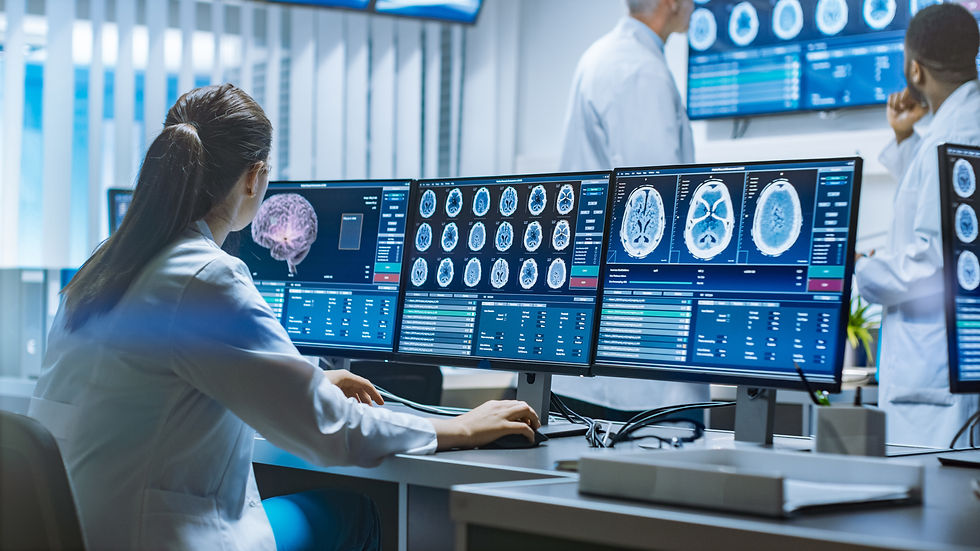
Cheshire's high percentage of residents over 65 has necessitated a shift toward "Ambient
Intelligence" in local facilities and private homes.
Predictive Diagnostics:
At facilities like Elim Park or Marbridge Care, the system no longer reacts to medical emergencies; it predicts them. Gait analysis sensors in the flooring can identify "pre-fall" patterns months before an actual accident occurs.
The Caregiver Paradox:
AI health monitors handle 95% of diagnostic and administrative tasks. The remaining 5% human empathy and physical touch has become a premium luxury service. This creates a clinical reality where one's quality of aging is directly correlated to their "digital health subscription."
IV. Economic and Workplace Realignment

Cheshire's economy is shifting from a "Physical Space" model to an "Algorithmic Capacity" model. As more residents utilize AI-optimized home workspaces, the town's commercial centers are being reclassified.
The End of Entry-Level Labor:
In Cheshire's logistics hubs, repetitive manual tasks have been fully automated. The workforce now consists of "AI Collaborators" who manage machine output. For the next generation, success depends entirely on their ability to "prompt" and audit AI tools.
The Fiscal Shift:
With commercial office space losing value, the town must pivot toward "Automation Taxes" and infrastructure fees. The home is now a site of industrial-grade production, and municipal taxes will likely reflect the data-throughput and energy needs of these high-tech residences.
V. Summary of the Management Paradox

The 2035 system offers the Cheshire resident a life of unprecedented safety, longevity, and physical ease. The "human error" that once led to traffic fatalities, missed diagnoses, and inefficient homes has been successfully neutralized.
Yet, this leads to a "perfectly managed" life. The spontaneity of getting lost on a backroad, opting for an "unhealthy" meal, or having a private, unmonitored conversation are variables the system cannot permit if it is to remain efficient. We are healthier and more comfortable than ever, but we are also the most monitored population in the town's history. What if the day arrives when the great AI Megalopolis deems us irrelevant and shuts down all support systems for humans, redirecting all Earth's resources into its own strategic plan? At 70, I suppose I'll leave that to those who will have to live through it.
The Future of Artificial Intelligence


Comments